
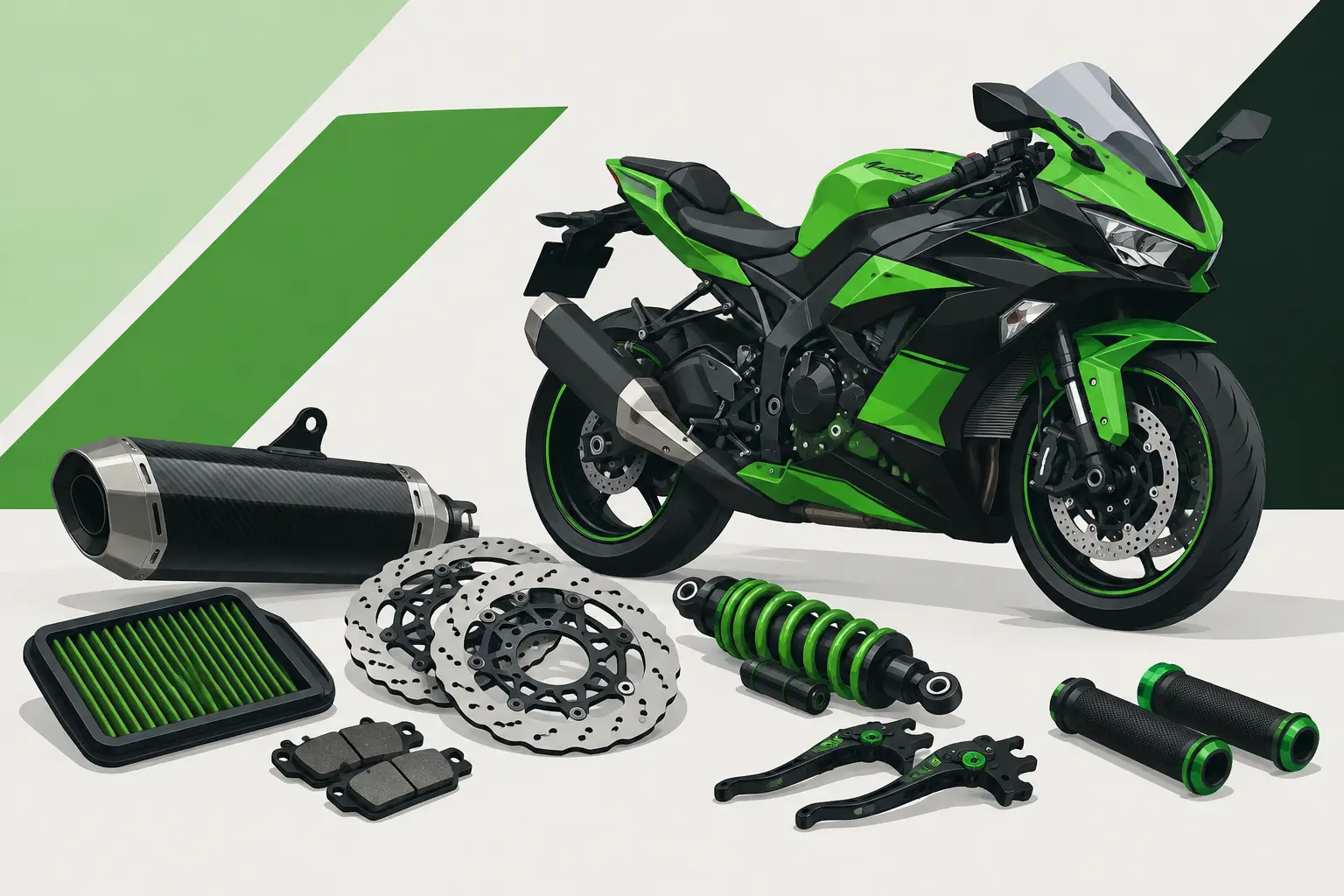
A Kawasaki JetSki that feels lazy out of the hole, runs hot after a hard session or stops pulling cleanly at the top end does not need random bolt-ons. It needs a plan. The right Kawasaki performance parts can transform throttle response, acceleration and sustained power, but only when the hardware suits the ski, the rider and the calibration behind it.
For recreational owners, that may mean a reliable Stage 1-style package that wakes up the machine without compromising weekend use. For a serious rider or racer, it may mean a built engine, fuel-system upgrades and a precise ECU calibration designed around the whole combination. The difference is not how many parts are fitted. It is how well every part works together.
Start With the Result You Want
Before ordering anything, be clear about what you want your Kawasaki to do better. A ski used for towing, cruising and occasional hard runs needs a different approach to one built for closed-course racing or top-speed events. More power is appealing, but usable power, predictable delivery and dependable operation matter more on the water.
A sensible performance plan usually starts by identifying the current platform, its condition and its limitations. Supercharged Kawasaki models respond well to carefully selected airflow, boost and tuning changes, while naturally aspirated skis can benefit from improvements that sharpen breathing and throttle response. However, the condition of the engine, supercharger system, cooling circuit and driveline comes first.
If compression is inconsistent, the cooling system is restricted or the pump is damaged, fitting performance hardware will not solve the real problem. It can make it more expensive. A proper inspection and diagnosis creates a reliable baseline, then the upgrades can be selected with confidence.
Kawasaki Performance Parts Need a Complete Package
The strongest builds are not assembled from a collection of popular products. They are matched systems. More airflow often requires more fuel capacity. More boost creates more heat. Higher engine speed puts extra load on valvetrain, bearings and driveline components. ECU tuning must account for every meaningful change.
Airflow and intake upgrades
A freer-flowing intake can reduce restriction and help a Kawasaki engine breathe more effectively. The gain is not always a headline number. Often, the noticeable result is cleaner response when the throttle is opened and more consistent pull through the mid-range.
Intake changes must also be suitable for a marine environment. Personal watercraft operate around spray, moisture and heat, so filtration and installation quality matter. A poorly positioned or poorly sealed intake can create problems that outweigh any performance benefit.
Supercharger and intercooler upgrades
On forced-induction Kawasaki platforms, the supercharger is central to the power conversation. A supercharger upgrade can move more air, but increasing boost without supporting modifications is a shortcut to excessive intake temperatures, detonation risk and reduced engine life.
An upgraded intercooler helps lower charge-air temperatures and provides a greater safety margin during repeated hard use. This becomes particularly valuable in Australian summer conditions, where water temperature and ambient heat can work against a high-output ski. It does not make an unsuitable tune safe, but it gives the complete package a better foundation.
ECU tuning and fuel delivery
ECU tuning is where performance parts become a functioning combination. The calibration controls fuel delivery, ignition timing, boost strategy and operating limits. It needs to reflect the fuel being used, the hardware fitted and the intended use of the ski.
Fuel injectors, fuel pumps and related components must have the capacity to support the demand. Running lean under load is not a minor issue. It can quickly become a major engine repair. The correct approach is to verify the fuel system rather than assume it is adequate because the ski still starts and idles normally.
Remote tuning can be useful for suitable combinations, but it still depends on accurate information, correct installation and clear communication. For more complex builds, workshop-based diagnostics and validation provide a stronger path to a reliable result.
When Engine Internals Become Necessary
There is a point where standard internal components are no longer the right choice for the power target. That point depends on the model, tune, boost level, fuel quality, rider behaviour and how often the ski is held at wide-open throttle.
Forged pistons and connecting rods are commonly considered when moving into higher-output engine builds. They are not a magic guarantee against failure. They provide strength where the load has increased, but the build still relies on correct clearances, quality machining, proper assembly and a safe calibration.
Camshafts and valvetrain hardware can also play a role in extracting more from a Kawasaki engine, particularly where the rest of the combination can make use of increased airflow. These are specialist upgrades. Selecting a camshaft without considering compression, boost, engine speed and tuning is not a performance strategy.
A built engine makes the most sense when the owner has a defined goal: race use, serious boost, a dedicated high-performance package or a rebuild that needs to be completed anyway. For a reliable recreational ski, a milder package may deliver more enjoyment per dollar and less ongoing maintenance.
Do Not Overlook the Pump and Cooling System
Engine power only matters if it reaches the water effectively. The pump, impeller, wear ring and driveline affect acceleration, hook-up and how efficiently the ski converts engine output into forward motion. Cavitation, damaged pump components or an unsuitable impeller can make a powerful ski feel disappointing.
Impeller selection should suit the engine package and how the ski is ridden. An aggressive choice may improve one area of performance while hurting another. A ski that launches hard but over-revs, or one that holds speed but feels flat out of the hole, may need the pump setup reassessed rather than more engine parts.
Cooling needs the same attention. Performance use produces heat, and heat management is fundamental to reliability. Inspect hoses, clamps, cooling passages and exhaust components as part of any serious upgrade. This is practical workshop work, not glamorous work, but it protects the investment.
Reliability Is a Performance Upgrade
The fastest way to lose confidence in a modified Kawasaki is to build it beyond its maintenance plan. High-performance parts increase capability, but they can also increase the need for inspection, servicing and accurate record keeping.
Oil condition, spark plugs, supercharger health, fastener checks and cooling-system condition should be monitored at sensible intervals. A race-focused ski deserves more frequent attention than a lightly modified recreational machine. Saltwater use, long hard runs and hot weather also justify a closer maintenance schedule.
Use quality components and fit them properly. Cheap parts can be expensive when they fail inside an engine or compromise fuel delivery at full load. Equally, premium hardware installed incorrectly will not perform as intended. The workmanship behind the part is part of the part’s value.
Choose Upgrades Around How You Ride
There is no single best list of Kawasaki upgrades because every owner starts from a different place. A dependable recreational package might focus on intake improvements, carefully matched ECU tuning, servicing and pump health. An enthusiast chasing stronger acceleration may add cooling and supercharger work. A race build may require fuel-system capacity, engine internals, valvetrain changes and extensive calibration.
The common requirement is honest assessment. Be realistic about budget, fuel access, servicing commitment and the conditions in which the ski operates. A well-planned moderate build often feels better on the water than an extreme combination that is temperamental, overheats or spends more time in the workshop than on the trailer.
For owners on the Central Coast, a specialist inspection before committing to major work can prevent costly mismatches and identify issues hidden beneath the performance wish list. VTECHTUNED approaches Kawasaki upgrades as complete systems, with the parts, installation, diagnostics and tuning considered together.
Choose parts that support the result you actually want, then give the ski the calibration and maintenance it deserves. That is how performance stays strong long after the first full-throttle pass.



